
The Importance of Strength in Human Performance and Health
BLOG

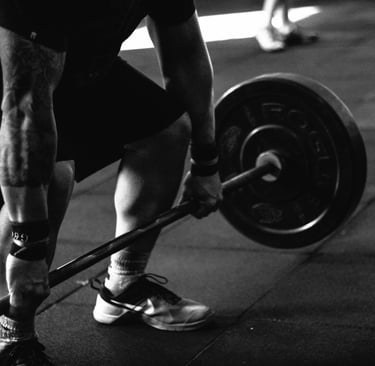
Understanding Strength
Strength is defined as the ability of the neuromuscular system to produce adequate muscular tension in order to overcome external resistance or counteract body weight. This fundamental physical capacity plays a critical role in health and human performance across various physical and sports activities. Thus, emphasizing the need for strength training is vital for everyone, regardless of their fitness goals or physical capabilities.
The Benefits of Strength Training
Engaging in regular strength training provides numerous benefits that contribute to overall health. Firstly, it aids in injury prevention. Strengthening muscles, tendons, and ligaments creates a robust foundation that helps mitigate the risk of injuries associated with physical activities. Moreover, strength training promotes the maintenance of muscle mass and bone density, factors essential for aging populations. As people age, they naturally lose muscle mass and bone density; therefore, implementing a comprehensive strength training regimen can significantly counteract these declines.
Developing Strength through Progressive Overload
Developing strength effectively requires specific training strategies. One of the most widely acknowledged methods is progressive overload. This involves gradually increasing the weight or intensity of the exercises performed to stimulate muscular adaptation. By consistently challenging the muscles, one can enhance their strength and overall performance well over time. It is essential to approach this technique with caution, ensuring that increases in weight or intensity are manageable to avoid potential injuries.
Some examples of sports in which strength is an important physical capacity include:
Weightlifting:
A sport that involves lifting the maximum possible weight in specific movements such as the snatch and the clean and jerk.
Powerlifting:
A sport in which the goal is to lift as much weight as possible in three core lifts: squat, bench press, and deadlift.
Olympic Wrestling:
A combat sport in which strength is essential for taking down an opponent and maintaining control.
Artistic Gymnastics:
Strength is necessary to perform acrobatics, Olympic-style gymnastics movements, and bar exercises.
Rowing:
Rowers require strength to drive the oars and propel the boat.
Rugby:
A team sport that demands strength to push, pull, tackle, and withstand contact with opponents.
Stone Lifting:
A traditional Scottish sport involving lifting heavy stones and carrying them across varying distances.
Rock Climbing:
Climbers rely on strength to grip holds, sustain positions, and progress upward on the wall or rock face.
Martial Arts:
Many disciplines, such as judo and boxing, require strength to execute techniques and overpower or take down an opponent.
Strongman:
A sport involving lifting, pushing, and pulling heavy objects—such as tires and barrels—in a competitive environment.
It is important to note that in some of these sports, additional physical capacities—such as speed, agility, power, and motor coordination—are also essential and should be developed alongside strength.