Biological Individuality
A proven, science-backed process that maps your athletic.
works
how
Step Process
Quick, non-invasive assessment of your biological markers.
Step 1 Data Collection
Your data is processed using validated protocols developed in partnership with Harvard and FIFA.
Step 2 Scientific Analysis
Step 3 Personalized Report
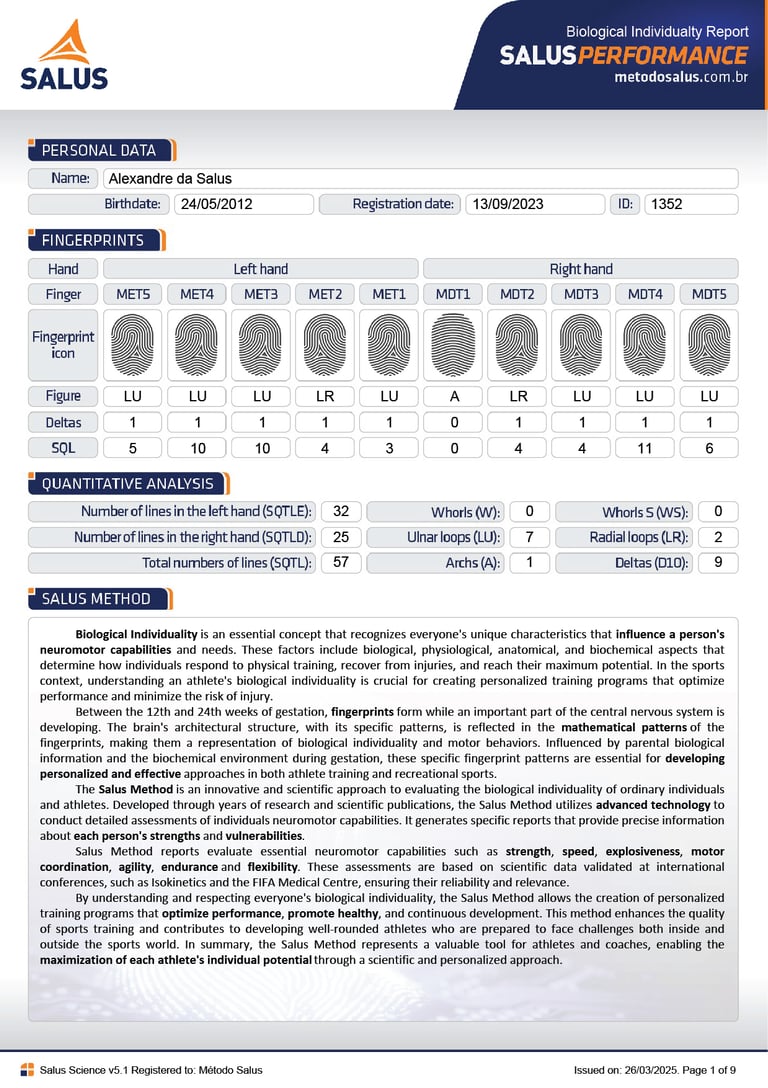
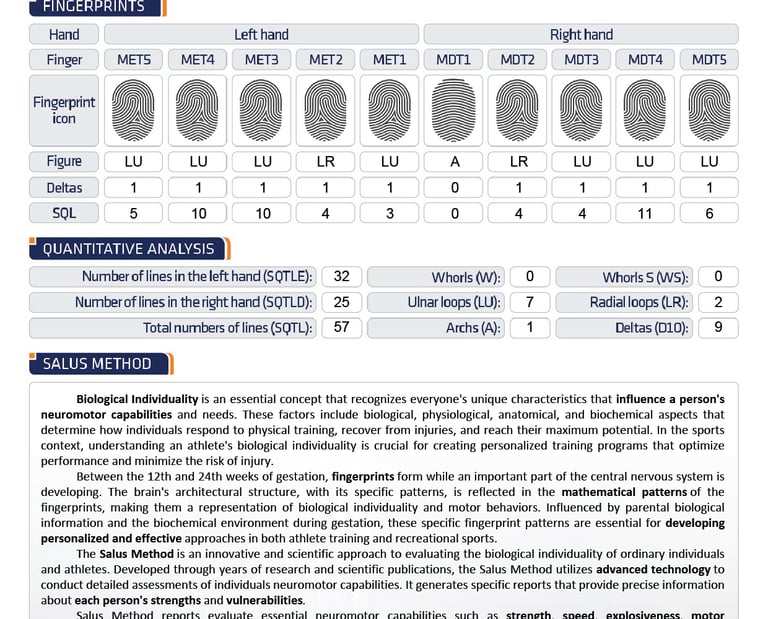
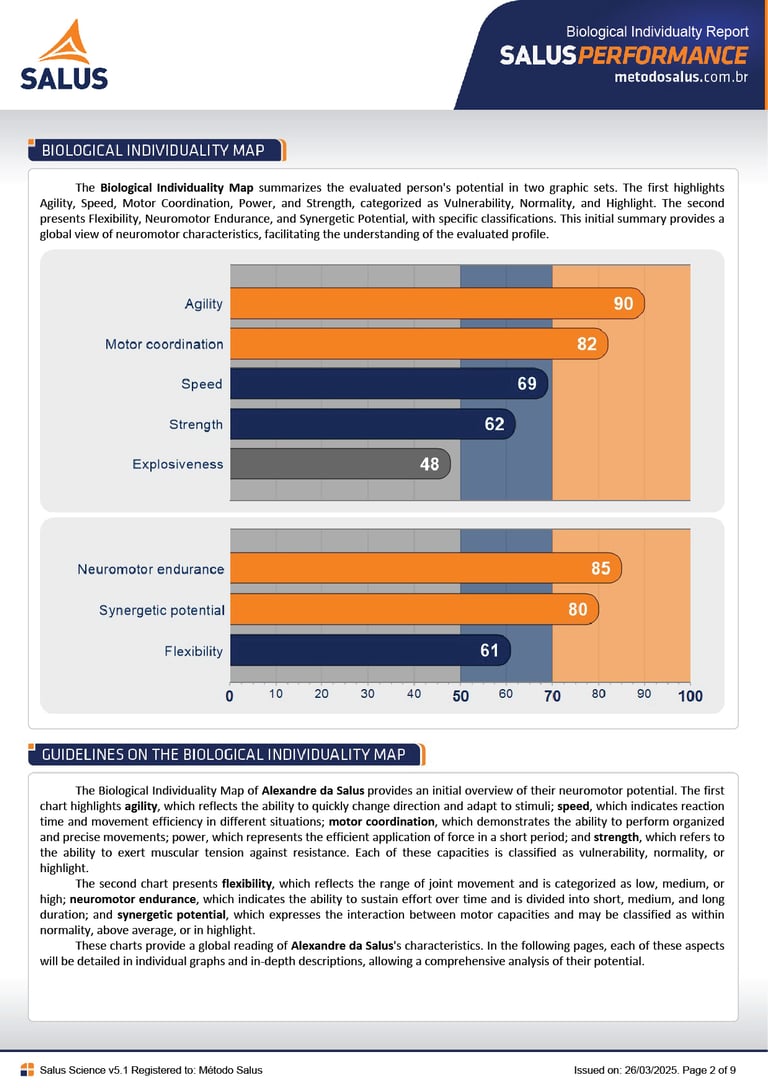
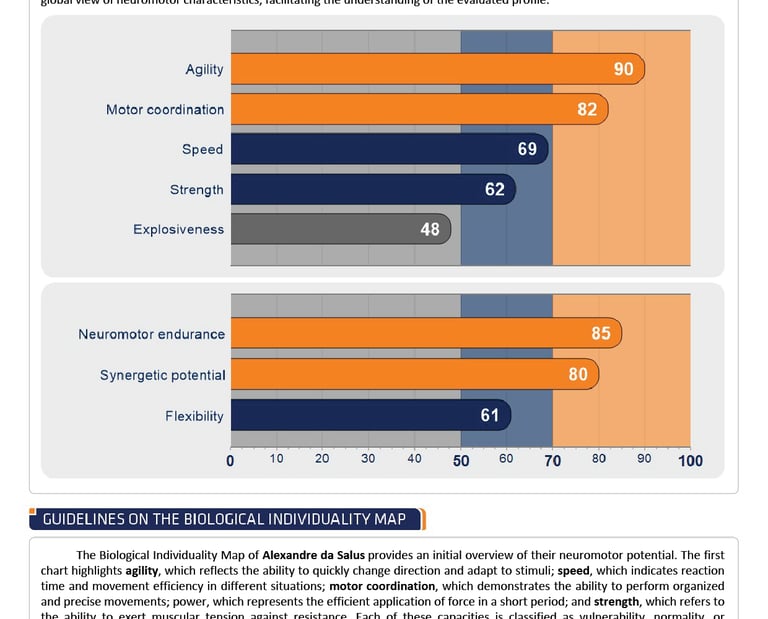
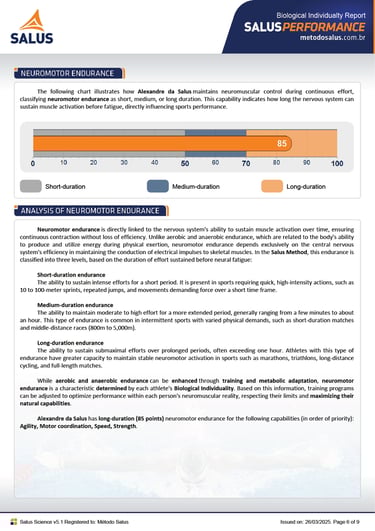
Your biological strengths by position/sport areas of vulnerability, specific training recommendations and benchmarks compared to athletes your age.


Step 4 Implementation
Use your report to: Guide your training focus, communicate with coaches, track progress over time and make informed decisions about your athletic development.
Biological Individuality
- The science behind
works?
why
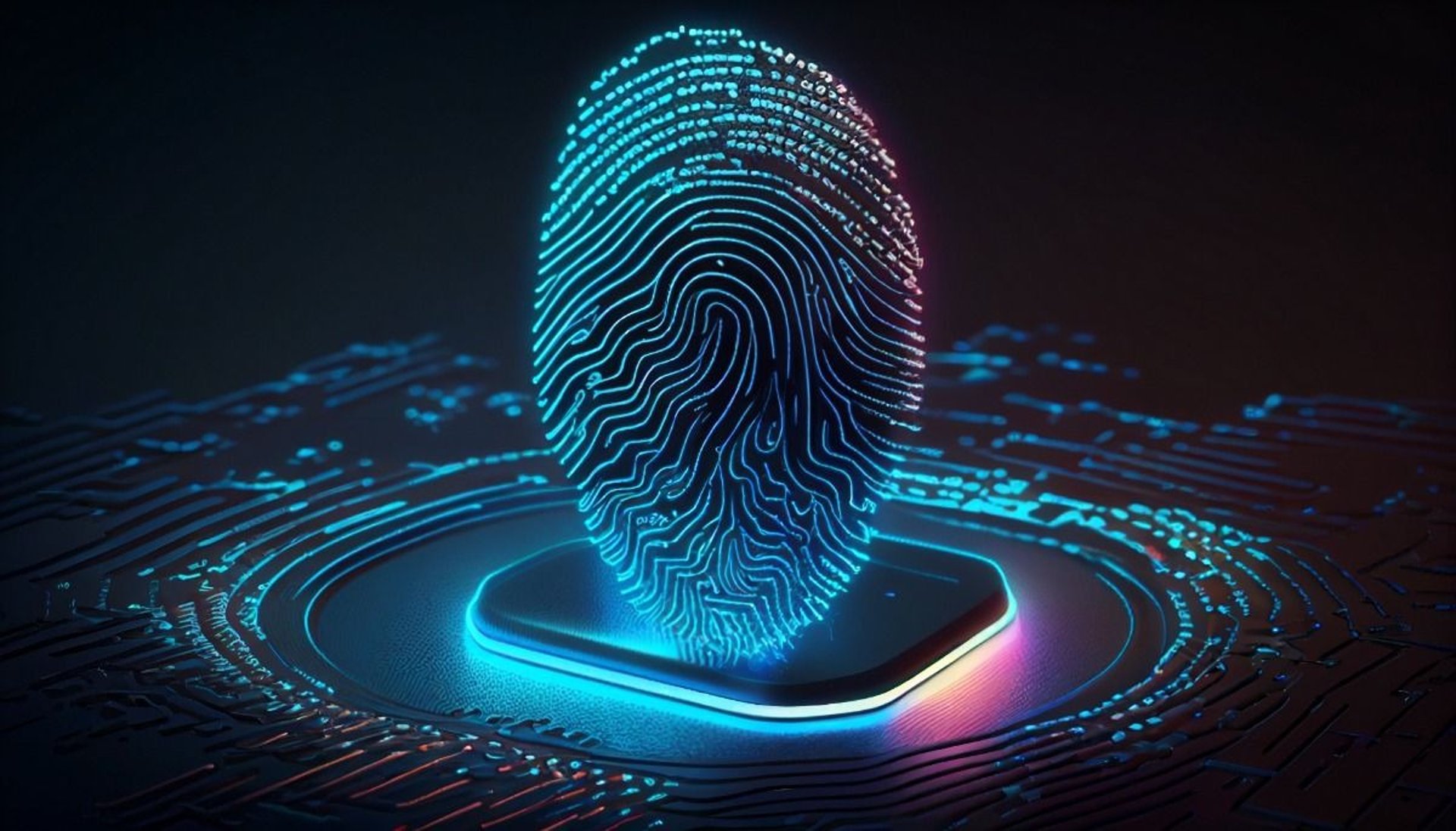
Our methodology doesn't guess — it measures. By analyzing your unique biological profile, we identify:
Muscular imbalances that lead to injuries
Strength asymmetries that limit performance
Developmental gaps that training can address
Natural advantages you can maximize.
This isn't about generic advice.
It's about understanding YOUR body.
✅ Strength & weakness profile
✅ Injury risk assessment
✅ Position-specific benchmarks
✅ Training priorities
✅ Progress tracking
Biological Chronology
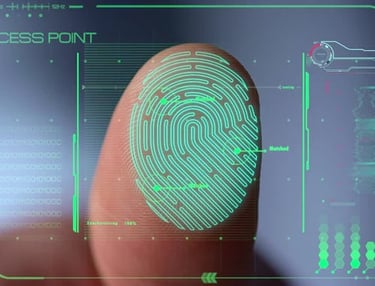
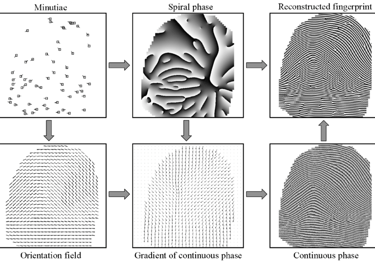
Biological Intelligence did not emerge overnight. It is the result of more than a century of scientific research on fingerprints and human development. Understanding this evolution is key to understanding the strength of the Method.
The Scientific Foundation Behind Biological Intelligence
1892 — Scientific Beginning
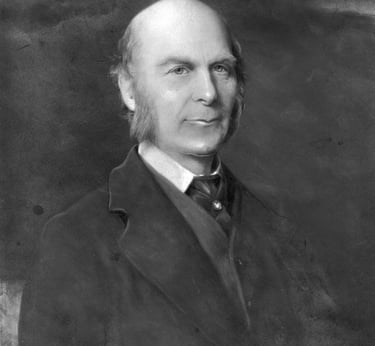
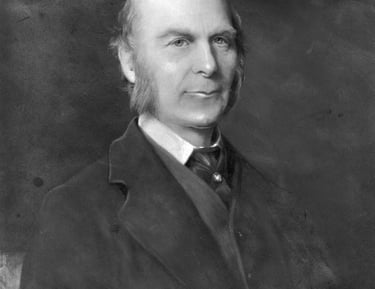


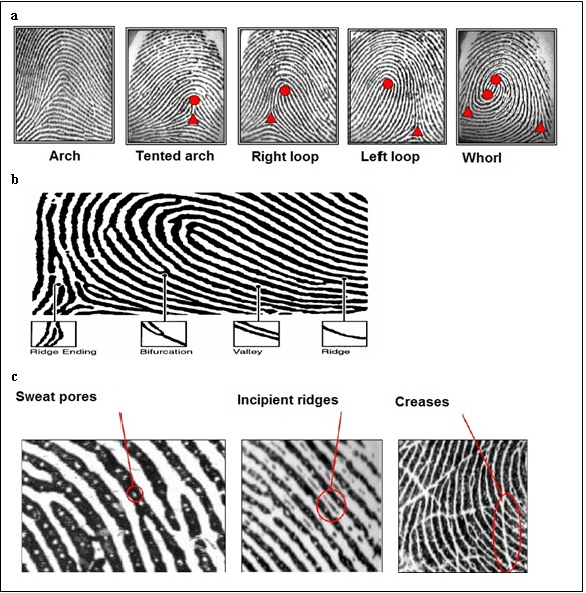
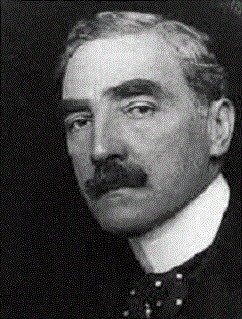
In 1892, Sir Francis Galton published Finger Prints, establishing two essential principles:
• Fingerprints are unique
• Fingerprints are permanent
He classified arches, loops, and whorls, laying the mathematical foundation of fingerprint science.
1900 — International Classification System
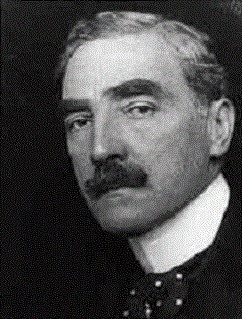
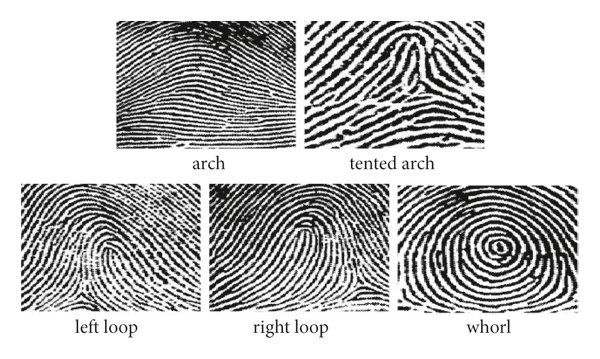
Sir Edward Henry developed the Henry Classification System, later adopted internationally and used by institutions such as the FBI. This standardized the structural organization of fingerprint analysis.
1960–1980 — Neuromotor Correlations
1930–1950 — Scientific Dermatoglyphics
2001 — Technological Transition
2014 — International Validation
2018–2023 — Global Scientific Recognition


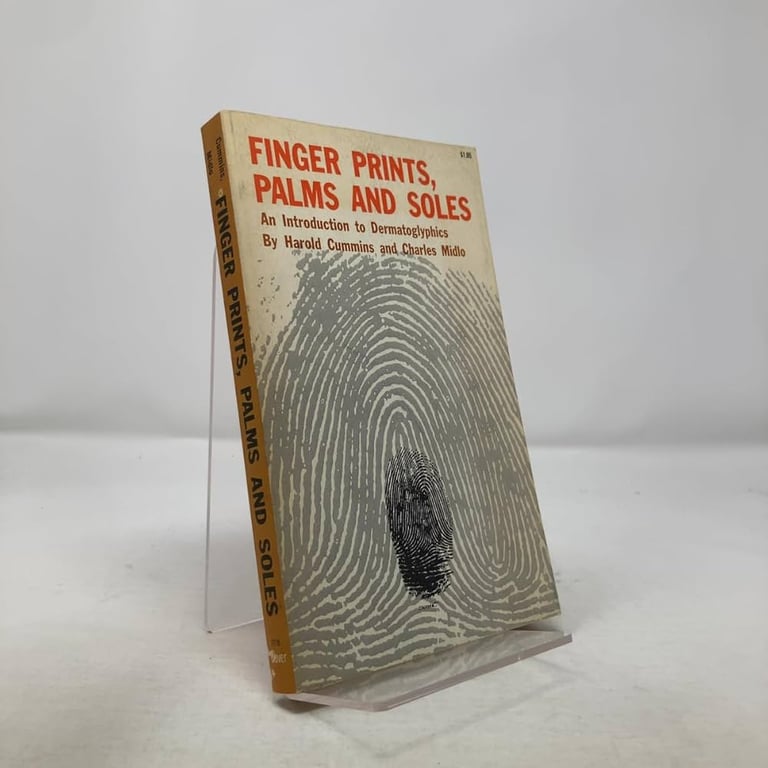
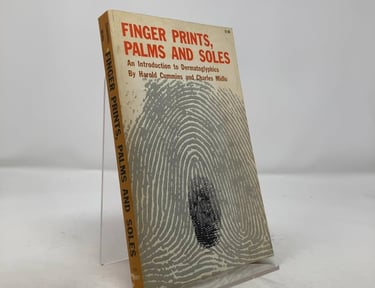
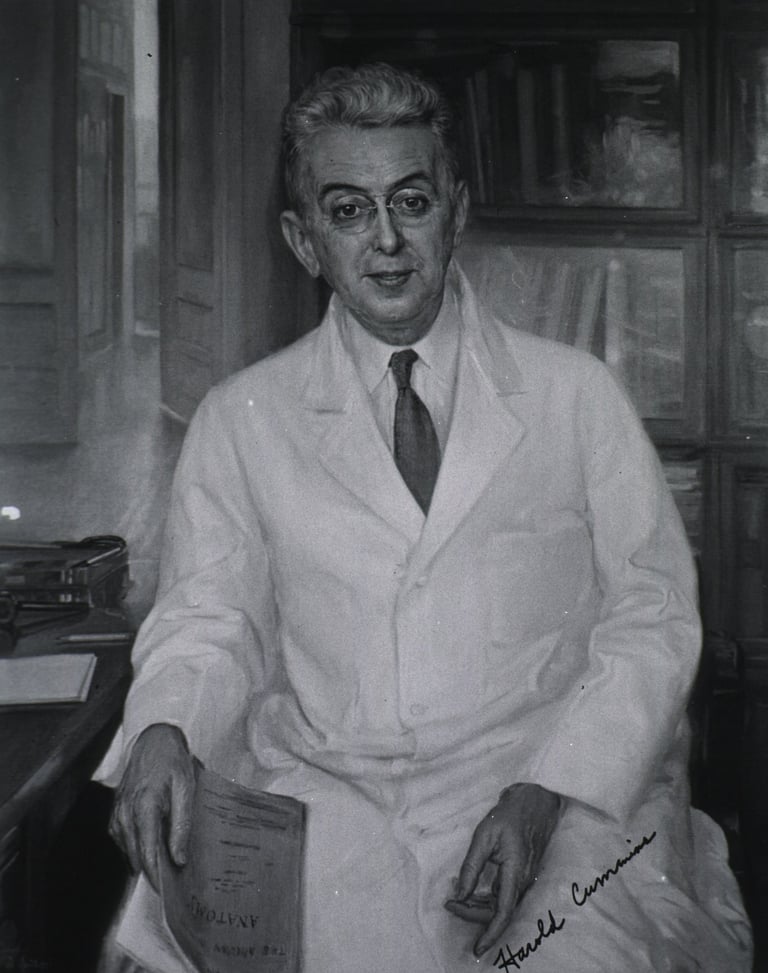
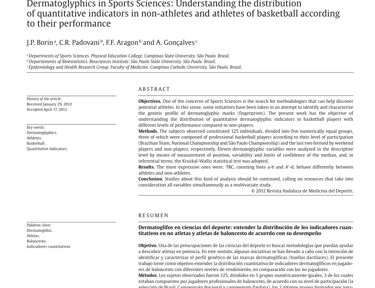
Harold Cummins and Charles Midlo formalized dermatoglyphics as a scientific discipline. They demonstrated that fingerprint patterns develop during the same embryonic period as the nervous system, linking dermatoglyphics to neurodevelopment
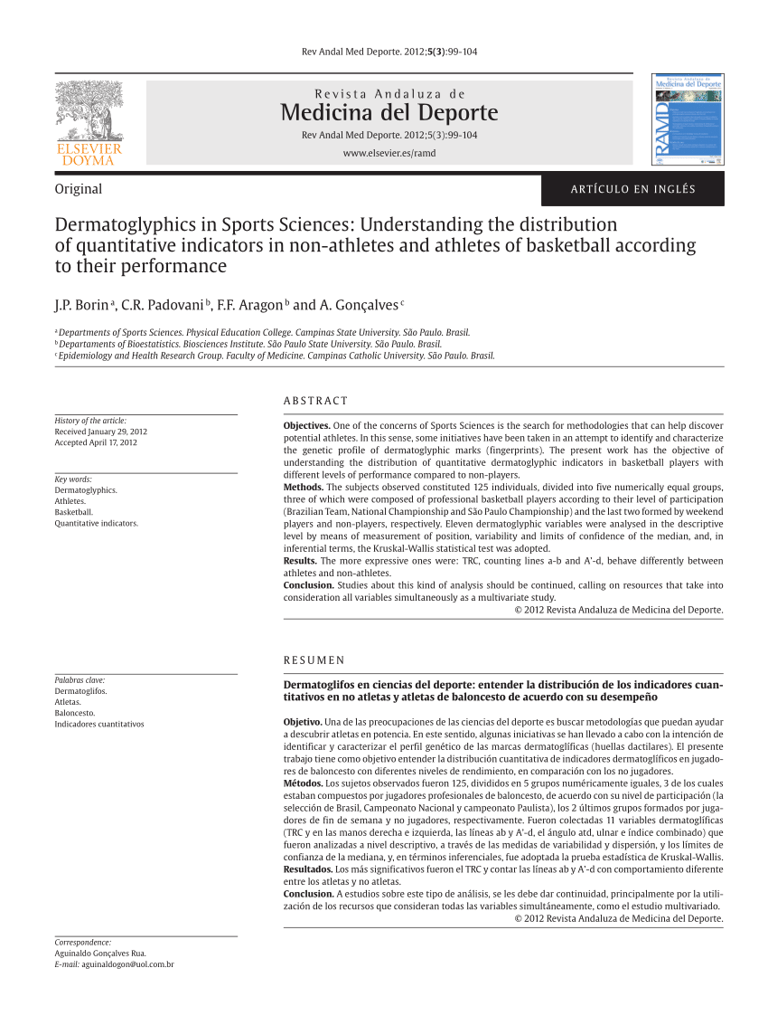
Russian researcher T. F. Abramova provided early evidence connecting fingerprint patterns to neuromotor tendencies, particularly in athletes. This expanded fingerprint science beyond identification into performance science.
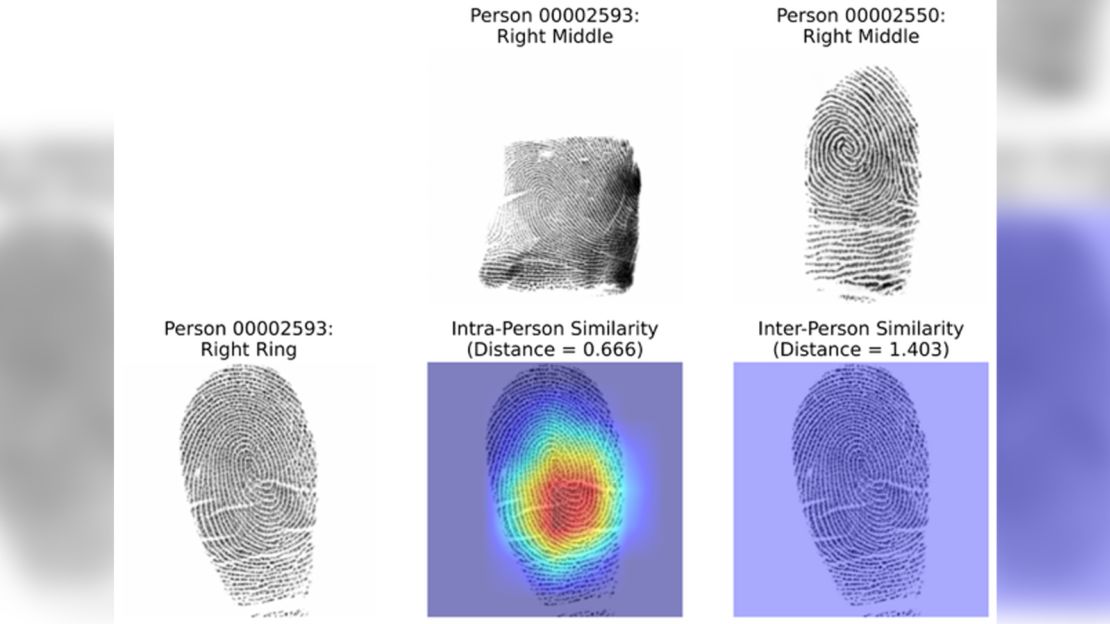
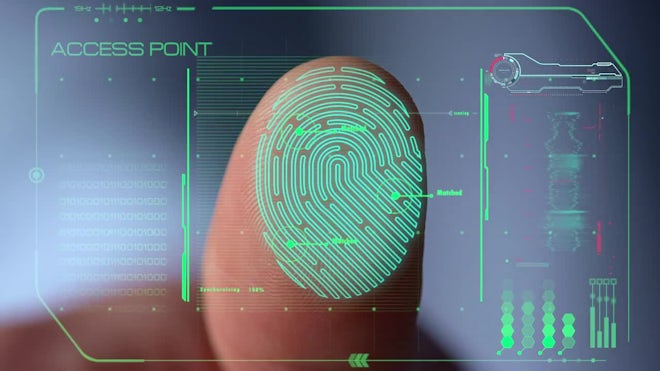
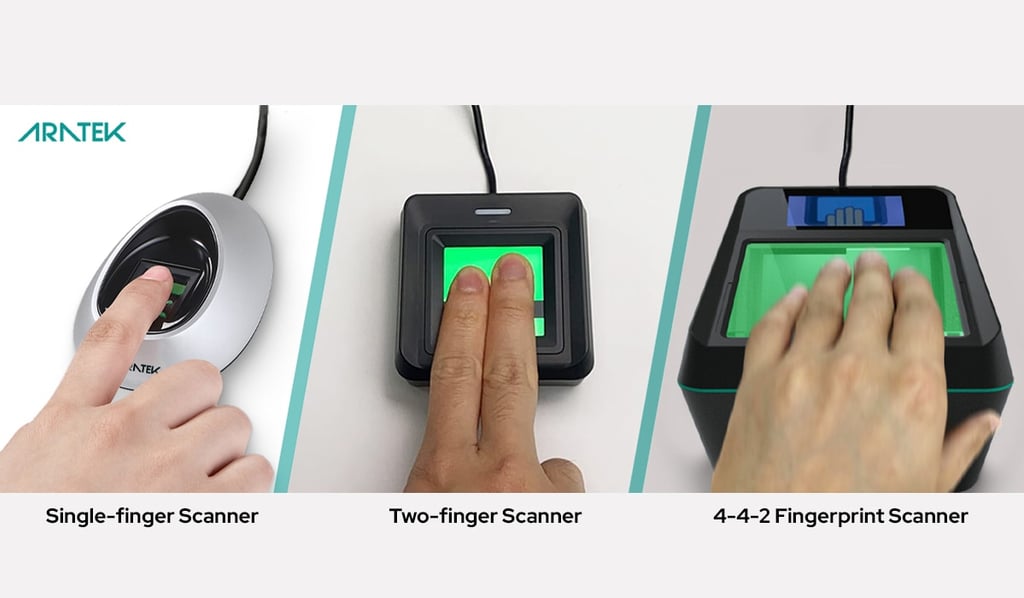
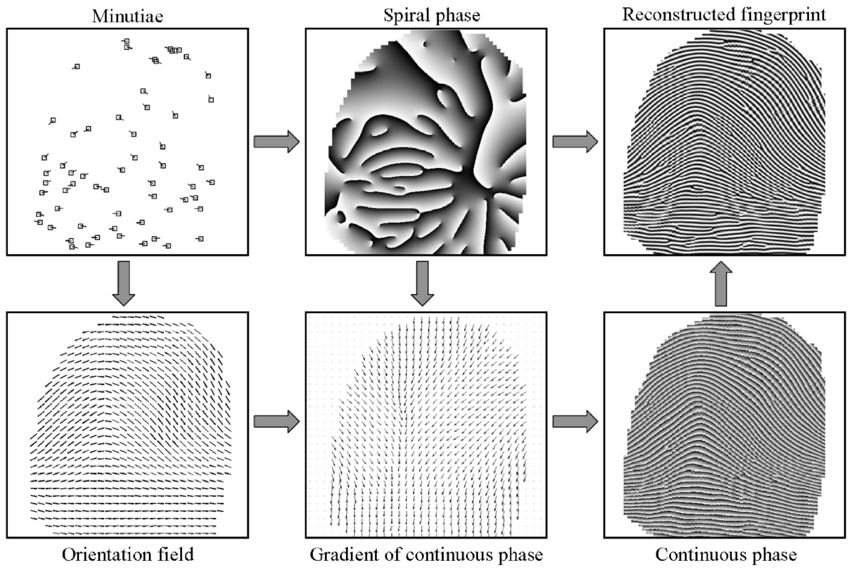
In 2001, the method transitioned from manual analysis to digital capture and computational modeling. Dermatoglyphics became part of a larger integrated scientific system.
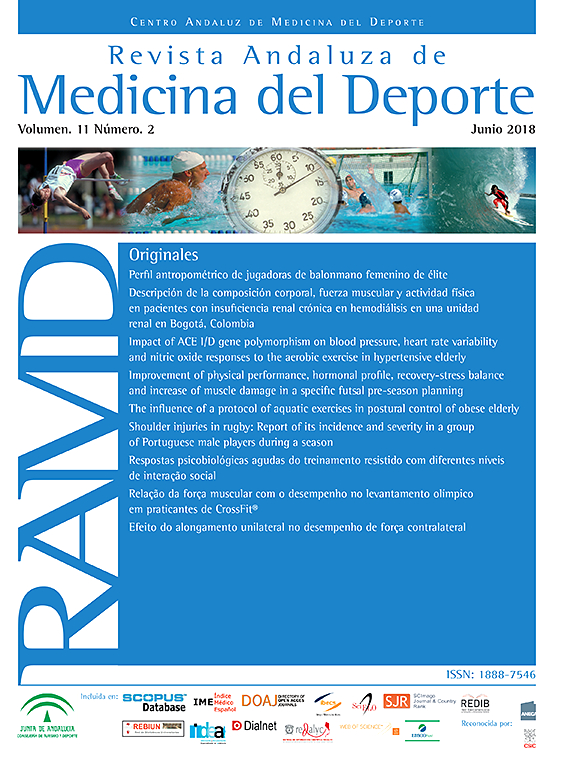
In 2014, the computerized system was internationally validated, demonstrating strong correlation with classical dermatoglyphic methodology. This marked the official scientific consolidation of the Salus Method.
The method has been presented in international scientific environments, including:
• Harvard Medical School (2018)
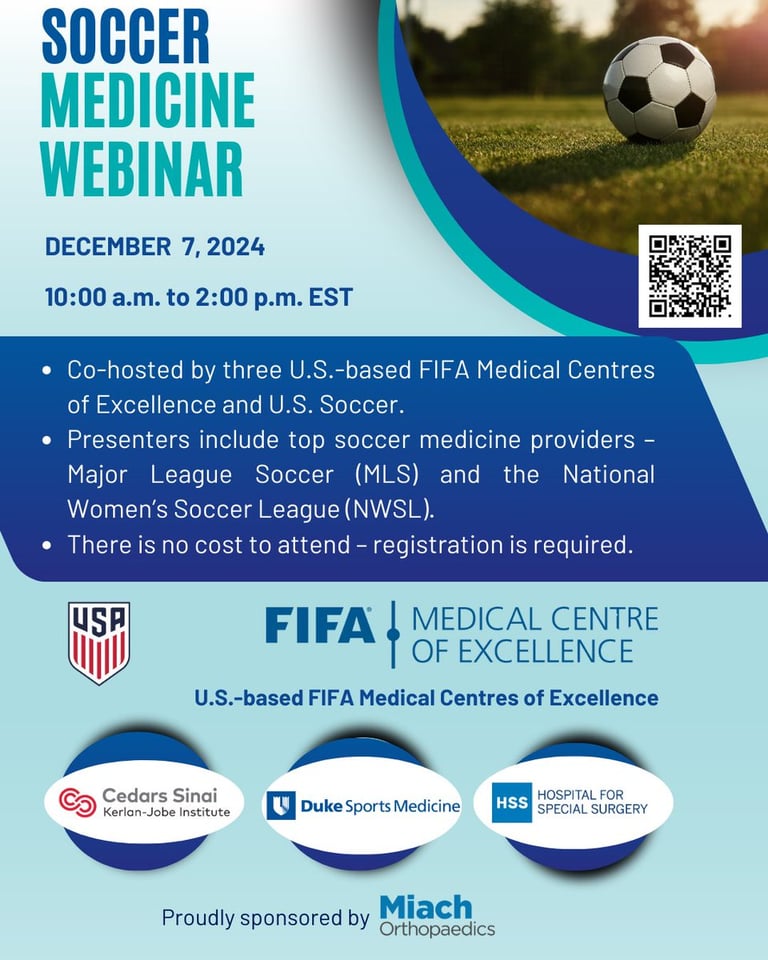
• Isokinetics & FIFA Medical Centre of Excellence (2022–2023)
Applied reports demonstrated significant assertiveness in performance guidance.
From Dermatoglyphics to Biological Intelligence
Classical fingerprint science provided the anatomical and mathematical base.
Russian research expanded it toward neuromotor capacities.
Digital systematization began in 2001. International validation came in 2014.
The result is a contemporary paradigm: Biological Individuality.
Today, the Method operates internationally, with licensed professionals and applications in schools, academies, and high-performance environments
Ready To Train Smarter?
Join the athletes who are preventing injuries and unlocking their best performance with science-backed diagnostics.