Understanding Biological Individuality in Human Motor Behavior
BLOG
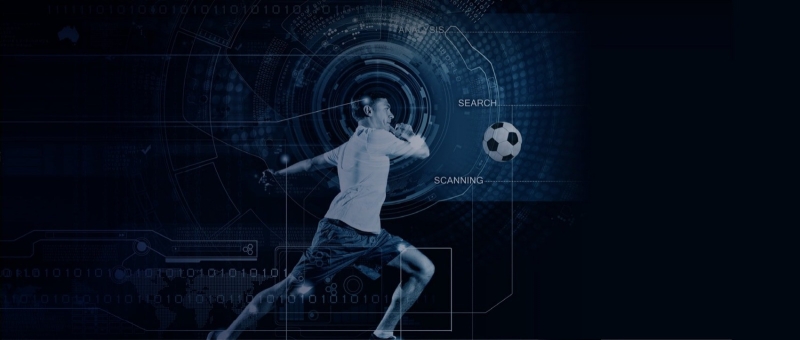

In human motor behavior, biological individuality refers to the natural variation in the physical, physiological, and psychological characteristics of each person. This means that every individual possesses a unique set of traits that influence how their body functions and responds to external stimuli—including physical activity and all other forms of human movement.
This individual variation can be observed in many aspects, such as bone structure, muscle composition, cardiovascular capacity, motor coordination, and sensory perception. These differences can significantly impact motor performance and how a person responds to physical training.
For this reason, biological individuality is a crucial factor to consider when designing physical training programs. Individual characteristics must be taken into account so that training goals can be defined in increasingly ambitious ways, aligned with the person’s continuous evolution throughout the training process. Biological individuality is also a determining factor in talent identification and development, as well as in the physical preparation and technical–tactical guidance of athletes at all levels of sports performance.