
Motor Coordination
BLOG
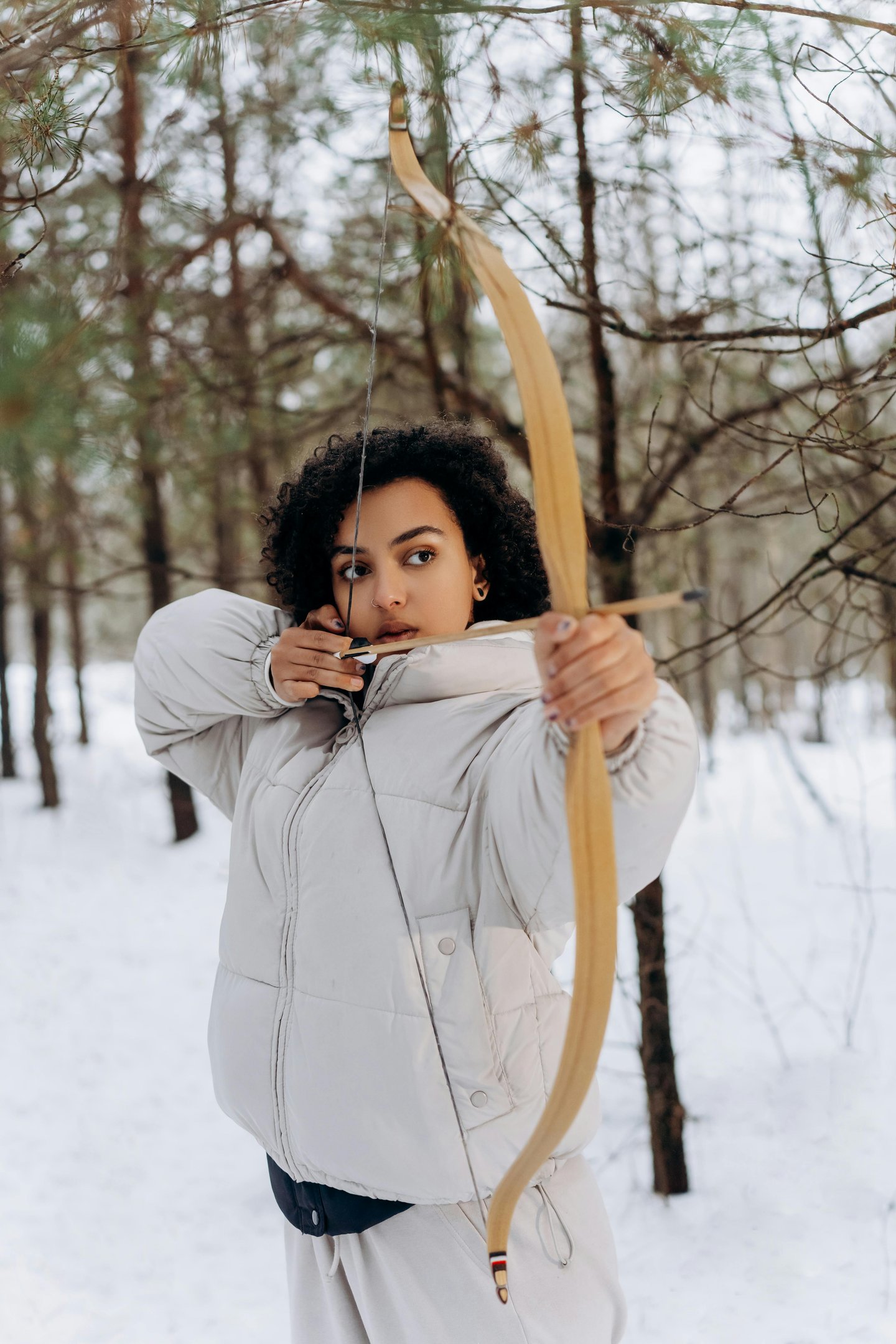
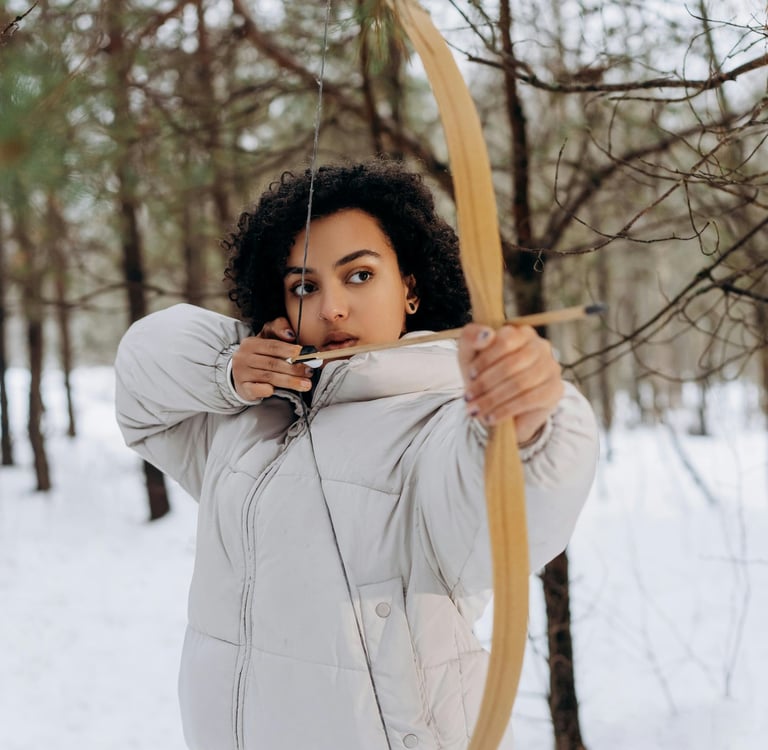
Motor coordination is the ability to control and coordinate body movements in order to perform specific tasks based on stimuli received from the surrounding environment. In the context of physical exercise, motor coordination refers to the skill of synchronizing and organizing body movements to carry out an activity efficiently and accurately.
Motor coordination involves the proper use of specific muscle groups, synchronization of movements, and maintenance of bodily balance. It is also influenced by factors such as spatial awareness and proprioception (the ability to perceive the position and movement of one’s own body).
Some examples of sports in which motor coordination is an important ability include:
Rhythmic Gymnastics:
Involves precise and graceful movements combined with the manipulation of apparatuses such as ribbons, hoops, balls, ropes, and clubs.
Figure Skating:
Requires balance, strength, and coordination to perform fluid, choreographed movements on skates.
Climbing:
Demands skill to move vertically on walls and rocks, using strength, balance, and coordination to reach the top.
Dance:
Various dance styles—such as ballet, jazz, hip hop, salsa, and tango—require strong motor coordination to execute precise movements and complex choreography.
Fencing:
Involves precise, coordinated movements to attack and defend with the sword, requiring quick reflexes and high movement accuracy.